

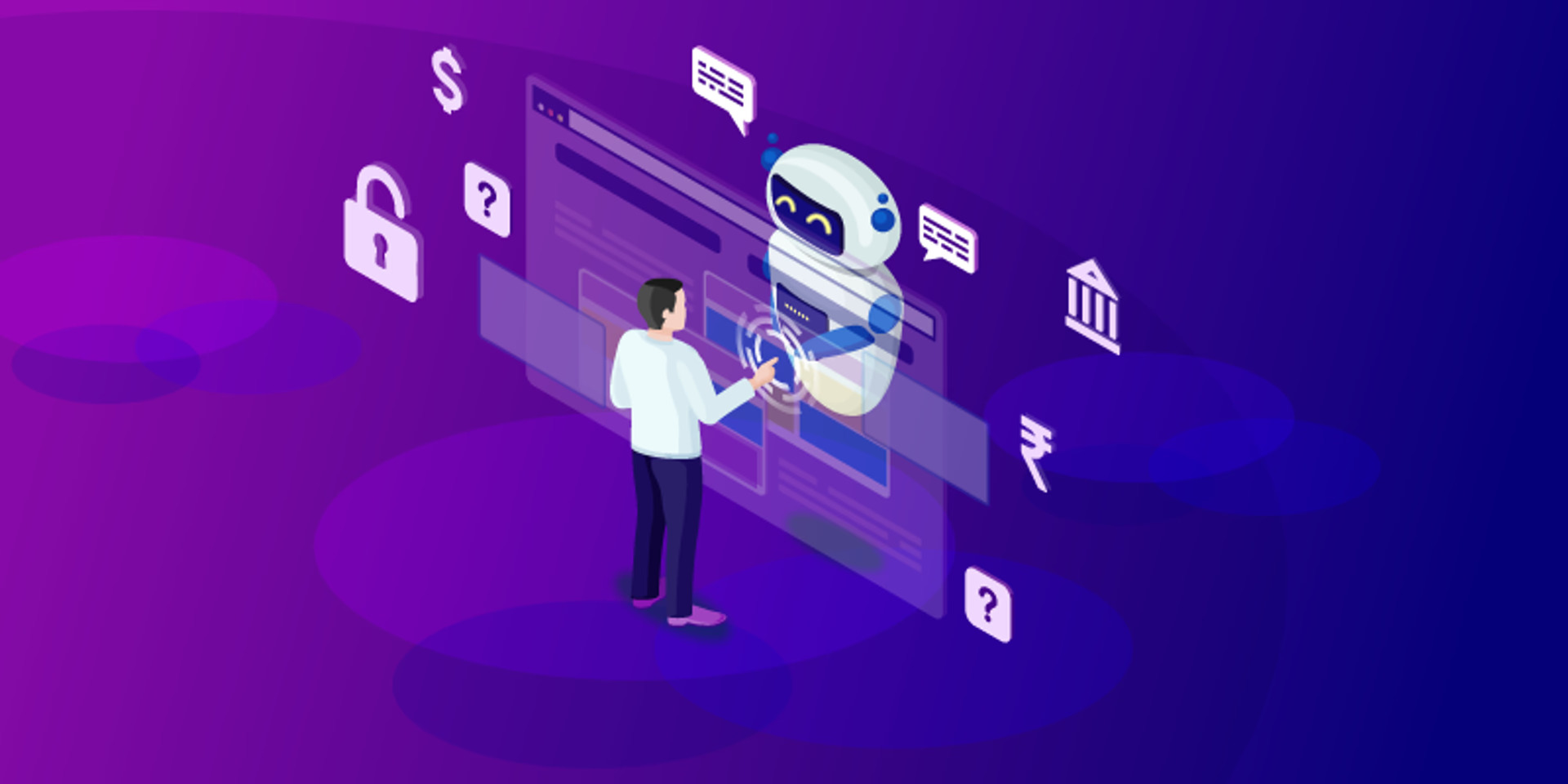
For many years getting a loan in India meant paperwork, long queues, and waiting weeks for approval. The decision depended heavily on manual verification and personal judgement. Today the process is quietly changing. Artificial intelligence is becoming a major part of banking operations. Instead of only checking salary and documents, banks now study behaviour patterns, transaction habits, and repayment signals in seconds. Loans that once took days can now be approved within minutes.
From Paper Files to Digital Behaviour
Earlier banks mainly relied on income proof and physical verification. If documents were incomplete or the applicant had limited history, approval became difficult. Now digital banking records provide a deeper view. Regular bill payments, account balance patterns, and spending behaviour help lenders understand reliability. Even people with short employment history can sometimes qualify because behaviour shows stability.
Faster Loan Decisions
AI systems analyse large amounts of financial data instantly. They compare thousands of past repayment cases and predict risk accurately. This removes much of the waiting time. Small personal loans, consumer durable financing, and instant credit lines are now approved almost immediately because computers evaluate risk faster than manual review ever could.
Better Risk Assessment
Human decisions can vary from officer to officer. Technology creates consistency. The system checks repayment patterns instead of personal impressions. This reduces bias and improves fairness. People who maintain disciplined financial habits benefit because behaviour matters more than negotiation.
Customized Credit Limits
Banks no longer treat every customer the same. AI allows dynamic credit limits that change according to usage and repayment history. Responsible borrowers gradually receive higher limits without fresh applications. Irregular usage may reduce limits automatically. Credit becomes adaptive instead of fixed.
Fraud Detection and Safety
Another major impact is security. Systems monitor unusual transactions and detect suspicious activity quickly. This protects both banks and customers. Earlier fraud identification took time, but now alerts appear almost instantly, preventing large losses.
Impact on Credit Scores
With more digital data available, repayment behaviour becomes more important than ever. Timely payments, controlled spending, and stable banking activity improve approval chances because algorithms detect patterns consistently. Careless usage affects eligibility faster as systems update regularly.
Opportunities for New Borrowers
People without long credit history earlier struggled to get loans. Technology now studies alternative indicators such as utility payments and transaction stability. This allows more individuals, especially young earners, to access formal credit responsibly.
What Borrowers Should Do
Maintain regular account activity and avoid erratic spending patterns. Pay dues on time and keep borrowing within manageable limits. Digital footprints now influence financial opportunities directly, so everyday behaviour matters more than occasional documentation.
Final Thoughts
Artificial intelligence is not replacing banks; it is reshaping how trust is measured. Approval is shifting from paperwork to patterns. Borrowers who show consistent discipline benefit the most in this new system. The future of lending is faster, more predictable, and more behaviour-based than ever before.